
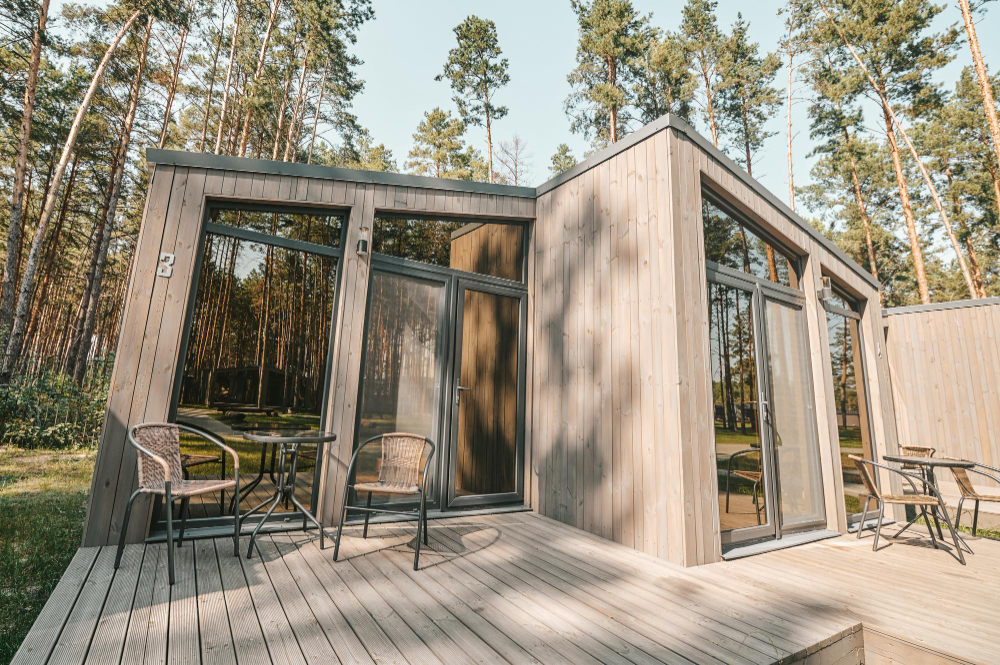
Outbuilding Insurance: Guide for High Value Homes

Outbuilding insurance for high value homes is about making sure every separate structure, from detached garages to pool houses, is properly insured alongside the main building. Standard home insurance policies might cover outbuildings, but limits, security conditions and business use rules often leave expensive contents and structures underinsured.
A short conversation with rivr about your estate layout, outbuildings and what they contain can help make sure your high-value home insurance actually matches how you use your property, rather than treating everything as basic shed cover.
What is outbuilding insurance for high value homes?
Outbuilding insurance is the part of home insurance that protects separate structures: the humble garden shed, garages, garden rooms and annexes within your boundary. Buildings insurance covering the structures and contents cover insuring what’s kept inside. For high value homes, it’s important to check that limits and wording for outbuildings are clear and high enough for how you use them.
Why outbuilding insurance matters more for high-value homes
On a larger estate, outbuildings can include garden offices, gyms, studios, staff accommodation, wine stores and classic car barns, not just basic sheds. Their combined rebuild cost and contents value can easily reach six or seven figures, so treating them as minor items on a standard home insurance policy is a clear risk.
Losses are often serious. Fire in a pool house, weather damage to a heritage barn or theft from a car garage can mean major repair bills, specialist contractors and long delays. Robust outbuilding insurance for high value homes helps ensure those costs are insured, rather than falling back on your own money.
Map your estate: which outbuildings actually need cover?
Start by mapping every structure within the boundary of your home, not just the obvious shed. This gives you and your insurer a clear picture of what needs buildings and contents cover.
- Detached garages and car barns
- Garden offices and studios
- Gyms and wellness suites
- Pool houses and changing pavilions
- Guest annexes and staff accommodation
- Stables, workshops and hobby rooms
- Wine cellars, greenhouses and other storage buildings
For each separate structure, note how it’s built, whether it has power or water, how far it sits from the main property and what you store there, so no costly outbuilding’s forgotten.
How does standard outbuilding insurance work?
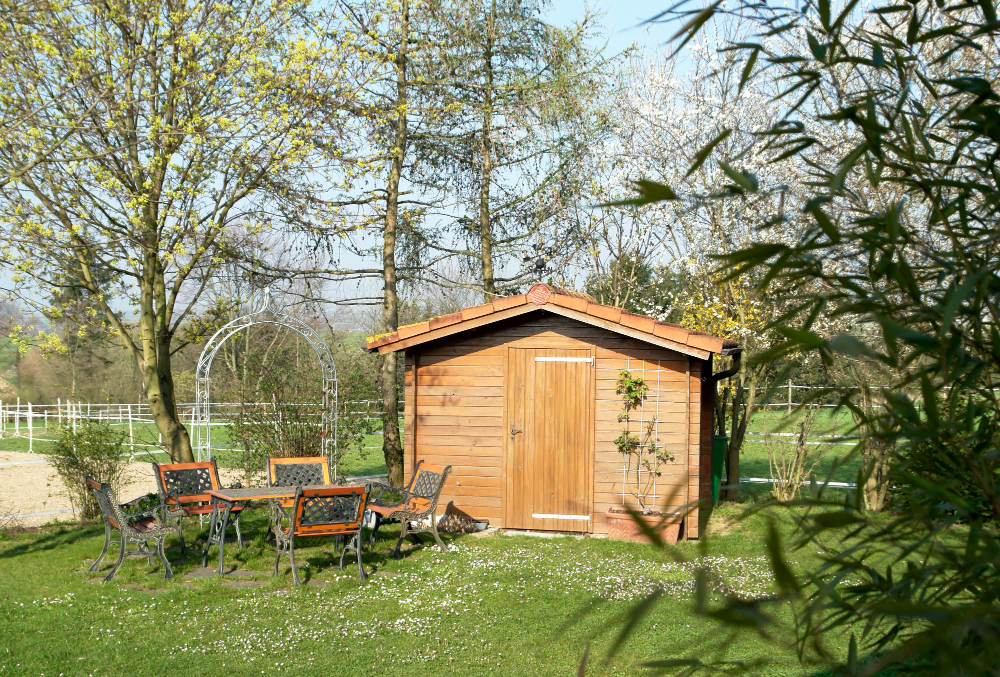
Most standard home insurance policies include outbuildings in the buildings section, as long as they’re within your boundary. The structure of sheds, garages and summer houses is usually insured for fire, storm and escape of water under the overall buildings limit.
Contents in sheds and garages sit under the contents section but with extra rules, often low total limits, single-item caps that don’t match modern bikes or tools, and theft cover that only applies if there are signs of forced entry through a locked door or windows. Some policies also offer home emergency cover for urgent issues like burst pipes or broken locks in outbuildings, but the scope and limits can be quite narrow.
Buildings vs contents for outbuildings
Common limitations you’ll see in mainstream policies
Mainstream home insurance policies often restrict outbuildings in a few key ways:
- Low overall limit for contents in outbuildings, sometimes only a few thousand pounds for all sheds combined.
- Single-item limits that sit well below the value of e-bikes, gym kit or AV systems.
- Theft cover that only applies if doors and windows are locked and there are clear signs of forced entry.
- Exclusions or tight rules for business use, short-term lets or staff accommodation in an outbuilding.
Table: Standard outbuilding insurance at a glance
Where high-value home and outbuilding cover need to go further
High value home insurance tends to set specific sums insured for major outbuildings, rather than one guess for everything. Rebuild valuations for pool houses, annexes and heritage buildings should include professional fees, access works and landscaping, not just bricks and mortar.
Contents limits for outbuildings may be increased, or high value items and collections scheduled individually so that a single theft does not fall foul of a small limit. Where quality matters, some policies focus on like-for-like replacement, which is vital if your property uses specialist glazing, integrated tech or custom joinery.
Typical risk scenarios for high-value outbuildings (and how insurance responds)
High value outbuildings face familiar risks, but the numbers are larger. A burglary at a garden office or studio might involve multiple laptops, cameras and data, not just a lawnmower. Fire in a detached gym or classic car garage can damage both the structure and expensive items stored inside.
Checking these scenarios against your policy is a quick way to check whether coverage and limits match the real risks on your estate.
How to keep high-value outbuildings properly protected
.png)
Strengthen security and resilience for high-value outbuildings
Insurers see outbuildings as easier targets, so they expect solid doors, good locks, closed windows and basic lighting to help deter thieves. Where high sums are insured, alarms and CCTV on car barns or garden rooms might be required, not optional. Routine checks on roofs, gutters and nearby trees cut the risk of weather or water damage and help keep cover on good terms.
Tell your insurer when an outbuilding becomes an earning asset
A garden room or annex that turns into an office, studio, guest space or staff housing usually changes how insurers see the risk. If an outbuilding earns money or hosts clients or staff, you need to tell your insurer so they can confirm whether it still fits under home insurance or needs a different policy.
Value high-value items and collections in outbuildings
Walk each building, list what’s stored there and use current replacement costs, then compare the total with your contents in outbuildings limit. Pick out high value items, like e-bikes or specialist tools, that sit above single item limits and discuss specifying them, keeping photos and receipts so it’s easier to prove value if you claim.
Prevent underinsurance and gaps across your estate
If your sums insured are below real rebuild or replacement costs, some policies apply average and only pay a proportion of any claim. Treat major annexes, barns and pool houses as separate projects with their own figures, and check that use, occupants and contents in outbuildings limits all match how those spaces work today.
How rivr approaches outbuilding insurance for high-value homes
rivr focuses on high value homes where garages, sheds, garden rooms and annexes are part of a wider lifestyle, not just places to store tools. The starting point is a simple map of the estate, covering each separate structure, how it is used and what it contains.
Using that, we can help coordinate buildings insurance, contents cover and any specialist requirements so that the main property, outbuildings and valuable items are insured as one coherent strategy. That is very different from simply adding another tick box for shed insurance at the end of a quote journey.
Questions to ask before you buy or renew outbuilding insurance
Before you renew or purchase cover, it helps to ask focused questions so you understand how your outbuildings are insured. Use this list as a concise checklist when reviewing home insurance policies.
- How does this policy define outbuildings, and which structures are automatically included under buildings insurance?
- What are the total and single item limits for contents stored in sheds, garages and other outbuildings?
- How does the policy treat business use, guest annexes and staff accommodation located in outbuildings?
- Are there specific lock, alarm or security conditions for garages, car barns, greenhouses or garden rooms?
- Does like for like replacement apply to bespoke finishes, integrated tech and high value items kept outside the main house?
When should I review my outbuilding cover?
Review at least once a year alongside your wider home insurance, to check that sums insured, security and policy conditions still match how your estate is located, used and valued.

Read more
.avif)
.webp)

Frequently asked questions
Many high value home insurance policies include some cover for garages, sheds and other outbuildings within your boundary, but you’ll still need to list significant structures and check how they’re defined. Limits, permitted uses and liability for other buildings can vary a lot between insurers, so it’s worth reading the schedule carefully.
Some policies will cover low risk clerical work in a garden office if you tell the insurer and there are no visiting clients or stored stock. If you run a fuller business or employ staff there, you may need separate business or landlord cover, so it’s important to check the wording and confirm the position in writing.
High value items such as premium bikes, gym equipment, tools and AV systems can exceed typical contents in outbuildings and single item limits. If something’s worth more than those limits, specifying it or increasing cover is usually the safest way to avoid a future claim being capped below the true replacement cost.
Insurers usually expect locked doors, closed windows and clear signs of forced entry after a break in. For larger sums, they may also require particular lock grades, alarms, lighting or CCTV, especially for garages, car barns and garden rooms that are visible from outside the property, so it’s worth checking any security conditions carefully.
A self-contained annex or staff cottage normally needs to be clearly described under the buildings insurance, and there may be extra liability considerations. If it’s rented out or used for paying guests, landlord or commercial cover may be needed, so don’t rely on assumptions when you’re arranging or renewing a policy.
Sometimes a pool house or spa cabin sits within the main building cover, and sometimes it’s treated as a separate structure with its own limit and conditions. The treatment depends on the policy and the value involved, so always check how it appears on your schedule and whether the sums insured would actually cover a full repair or rebuild.
