
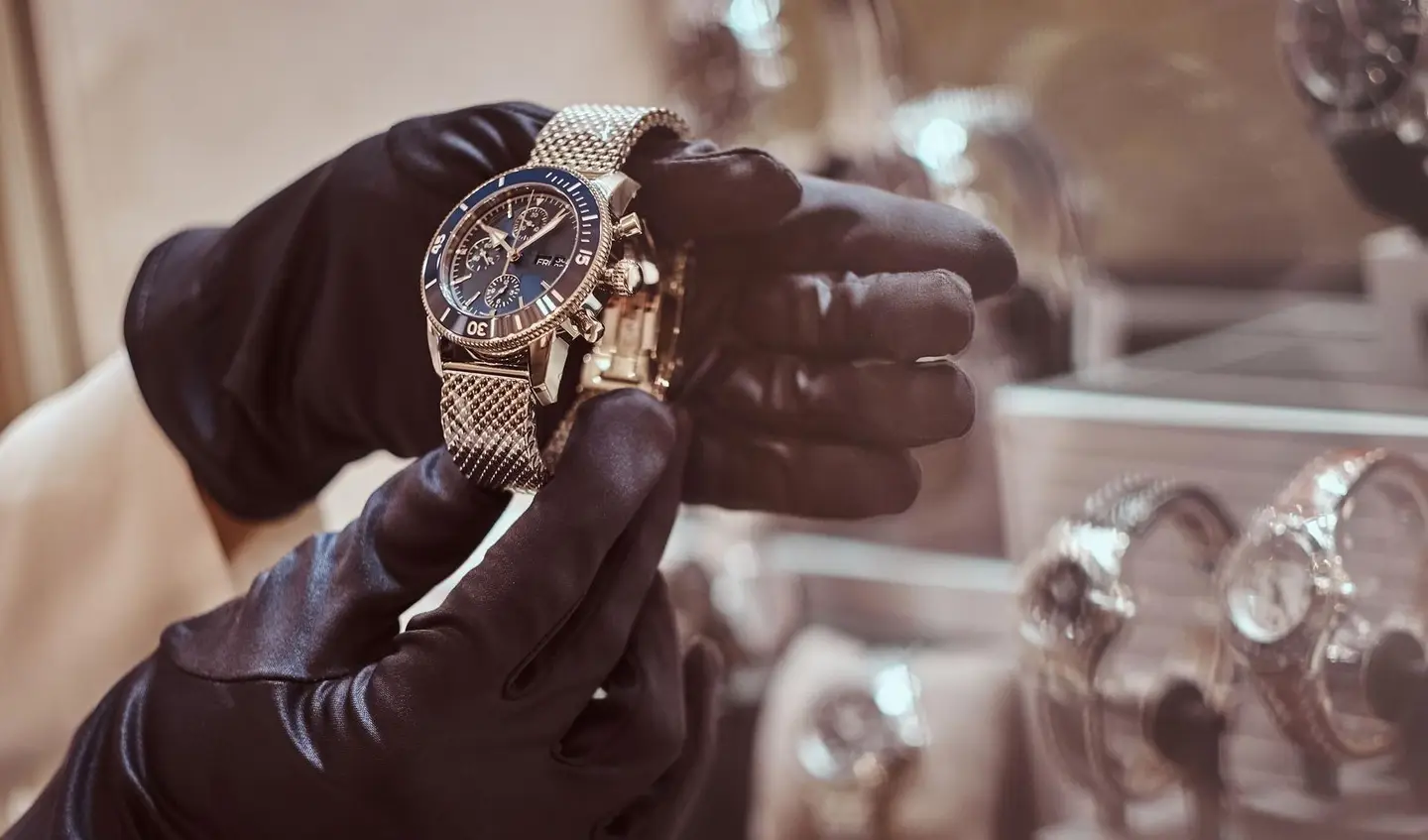
- Jewellery & Valuables Insurance
How much does watch insurance cost? UK guide
Standalone specialist watch insurance in the UK can cost 1 to 2 percent of your watch's insured value per year. Most policies fall between 0.6% to 1.5%, depending on risk. Add your watch as a specified item under a home contents policy and the rate drops to around 0.3% to 0.6%, depending on cover scope and underwriting."
At a glance
- Location and claims history can raise premiums.
- Premiums start from £109 for 12 months with some providers.
- All risks cover costs more than basic cover in the general market (Rivr arranges all risks policies, subject to underwriting).
- A collection can reduce the per watch cost.
- Valuations help avoid underinsurance.
- Replacement value and regional risk factors largely determine the cost in 2026.
Rivr Cover offers high value contents insurance that includes watch cover. We cover watches up to £25,000 without listing. Items exceeding £25,000 must be individually specified on your schedule to be covered under the policy
Two ways to insure a watch
Most policyholders choose one route:
- Standalone specialist watch insurance as a watch only product.
- Contents insurance within a home insurance arrangement, often with listed items.
Standalone specialist watch insurance: what it usually covers
Standalone watch insurance policies provide specific coverage tailored for luxury watches. Specialist watch insurance is designed to protect high value watches and often includes features not found in some standard home insurance policies.
It can cover watches against theft, loss, and damage both at home and abroad. Some standalone watch insurance can offer worldwide cover on an all risks basis without excess in the event of a claim, depending on the insurer and the terms. Check the full details for exclusions and coverage limits.
Contents insurance: how it typically works for watches
With contents insurance, the main question is whether the watch sits within a single item limit or must be listed. Higher value items may need to be specified so the sum insured and insured value are clear.
Specialist insurers may offer tailored coverage options not available on comparison websites. They can also help with a collection, agreed value options, and how items are listed. If you plan to quote online, gather details first: value, where you live in the UK, whether it is worn daily, how you store it, and whether you need worldwide cover
High value contents insurance that includes watch cover
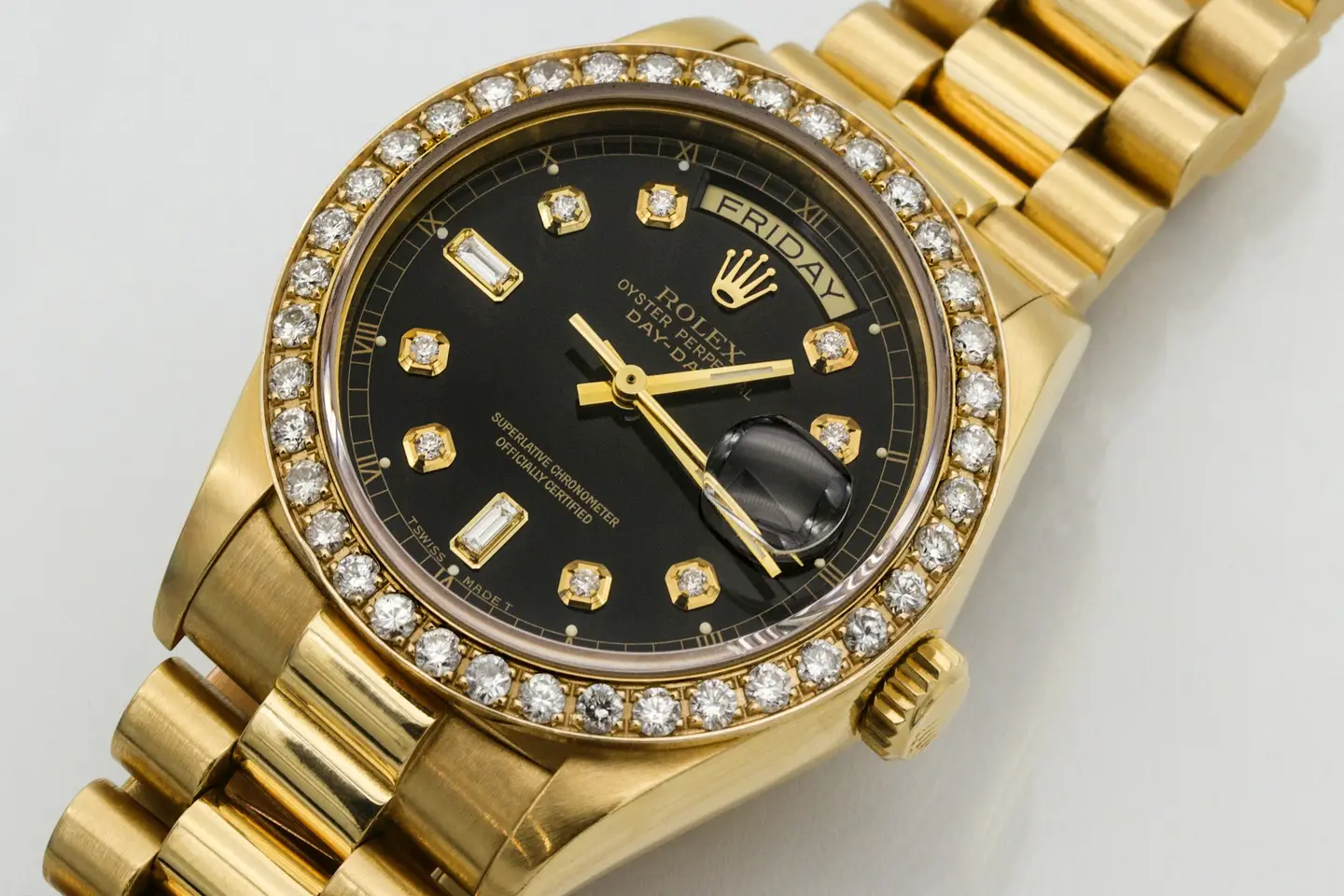
Specialist providers (including Rivr) offer high value contents insurance that can include comprehensive watch cover. With Rivr, watches valued under £25,000 don't need to be listed, and are protected worldwide. All cover depends on underwriting, policy terms, limits, and exclusions.
Review the policy wording carefully to understand what's covered, including worldwide cover, accidental loss, accidental damage, and security requirements. If you have questions about the coverage, our team can help explain it before you buy.
New purchases and short term automatic cover
Some insurance providers cover newly purchased watches for a short period, often 60 days. This gives you time to arrange a professional valuation and add the new item to the schedule. If watches purchased recently are covered automatically, confirm the time limit, the evidence required, and any age restrictions.
Example prices and cost ranges in the UK
These figures are general market guidance for standalone specialist watch insurance. They are NOT Rivr products or quotes. Rivr Cover does not offer standalone watch-only insurance. Your actual premium will depend on your circumstances (location, security, claims history, insurer). Always get a personalised quote.
Popular model examples: standalone market pricing
Cartier Tank Must Large
Watch value (for cover): £3,300
Standalone premium (per year): £60–£100
Monthly equivalent: £5–£8
Omega Speedmaster Moonwatch
Watch value (for cover): £6,600
Standalone premium (per year): £60–£140
Monthly equivalent: £5–£12
Rolex Submariner Date
Watch value (for cover): £9,500
Standalone premium (per year): £60–£190
Monthly equivalent: £5–£16
Audemars Piguet Royal Oak 15510ST
Watch value (for cover): £40,000
Standalone premium (per year): £250–£800
Monthly equivalent: £21–£67
Indicative costs by insured value: market ranges
| Insured value | Standalone specialist cover | Contents cover (specified/scheduled) |
|---|---|---|
| £5,000 insured value | Often 0.6%–1.5% per year; minimum premiums may apply. | Often cited 0.3%–0.6% per year; check if it includes away-from-home cover and what excess applies. |
| £10,000 insured value | Often 0.6%–1.5% per year; daily wear and location can increase premiums. | Likely needs specifying due to single item limits (commonly ~£1,500–£2,500, policy-dependent). |
| £25,000 insured value | Often still in the 0.6%–1.5% region, but underwriting can become more security-led as values rise. | May require higher-tier policies and tighter conditions; confirm cover outside the home and any storage/security requirements. |
| £50,000 insured value | Conditions and security expectations are often stricter; valuation evidence may be required and updated periodically. | Often pushes into high-value/home specialist territory with more explicit security and item scheduling requirements. |
| Watch collections pricing | Multi-watch policies can be more efficient than insuring items one-by-one, and some providers apply multi-watch discounts. | Collections can exceed total valuables limits quickly; check overall limits, single item limits, and away-from-home terms. |
What changes the cost?
Insurers rarely price on brand alone. Brand matters because it links to replacement cost and risk. Luxury watches face real risks like theft, accidental damage, and loss, which standard policies often exclude or limit. These factors usually have the biggest impact on premiums:
Location and crime: Location impacts watch insurance premiums, with higher rates in areas with high crime or theft rates.
Security and storage: Insurers may require specific security measures be in place to validate coverage. A high quality safe or alarm system can reduce premiums. Keeping watches in a bank deposit box can significantly lower insurance costs. If you rarely wear it, store it in a bank deposit box or a rated safe.
Usage: Watches worn daily may have higher premiums due to increased risk of accidental damage or theft. This can also affect accidental loss terms.
Claims history: The claims history of the policyholder can increase premiums.
Cover type: A comprehensive all risks approach is more expensive than basic coverage in the general market, and basic coverage may have limitations. All risks cover often includes accidental damage and accidental loss, and may include cover abroad.
Understanding home insurance limits for watches
Home insurance can cover a watch, but the home insurance policy must be set up correctly and the policy documents must match how the watch is used.
Single item limits
Some policies have a single item limit, often set at £1,000, for items not specifically mentioned in the policy. If the value of your watch exceeds that limit, it may need to be listed as one of the valuable items so the insured value is clear. A rolex watch often exceeds a home insurance single item limit, so it may need to be listed for full cover, depending on the policy.
Away from home
Home insurance may not cover watches when they are away from home unless personal possessions cover is added. This is worth checking if you want cover abroad or you often wear the watch outside the home.
High value items can be higher risk for theft, so policyholders should check their coverage matches how the watch is used and where it is kept.
Valuations and paperwork: small effort, big payoff

A professional valuation helps your insurance reflect an accurate replacement price. Revalue luxury watches every 2 to 3 years as markets move. Some insurance policy terms require an up to date valuation to keep cover correct and avoid underinsurance.
How to obtain a valuation: Obtain a watch valuation from a local jeweller or expert. For unusual pieces, obtain multiple valuations. If you do not have a valuation, you can be put in touch with a valuer who can provide an online valuation.
Documents to keep: Keep purchase receipts, photos, and valuation documents. These help insurers handle a claim more quickly. A current valuation also supports proof of ownership for loss, theft, or damage, including designer watches and second hand purchases.
Agreed value: Some insurance policies offer agreed value. This is where you and the insurer set the value in advance using evidence such as a valuation and proof of ownership. If you make a claim for theft or serious damage, the settlement is based on the agreed value, in line with the insurance policy terms. Check the full details, including evidence requirements and any conditions.
If something happens: claim checklist
If your watch is lost or stolen, here’s what to do to make a claim quickly:
- ✓ Contact your insurer as soon as possible. ✓ Note full details, including the time, place, and what happened. ✓ Collect as much information as you can, as it may help settle the claim more quickly. ✓ Contact the police and obtain a crime reference number. ✓ Provide proof of ownership, such as receipts, photos, or serial details. ✓ Share valuations and confirm both the sum insured and insured value. ✓ Ask whether the insurer will repair, replace, or settle the claim in cash. ✓ Check unattended vehicle conditions if a car was involved. ✓ Keep key details to hand, including insurer contact details, claim reference, and photos.
Rivr Cover: your luxury watches protected worldwide
If you're looking for high value contents insurance that includes watch cover, Rivr Cover is one option to consider. We work with specialist insurers to arrange policies designed for valuable collections.
What our policies typically include:
- All-risks cover (subject to underwriting and policy terms)
- Protection for accidental damage and loss
- Worldwide cover for your contents
- Items up to £25,000 covered without individual listing; pieces valued at £25,000 or more are specified on your policy schedule
Getting started
You'll need a current valuation for high-value pieces, proof of ownership, and details about how you store your watches. Our team can explain what's needed and answer any questions about how the cover works in practice.
We provide information to help you decide, but we don't give personal recommendations—you'll need to check that any policy meets your specific needs and circumstances.
Ready to explore your options?
Get a quote online or speak to our team about your collection and the documentation you'll need.
About the author

Will Clarkson Webb
CEO at Rivr